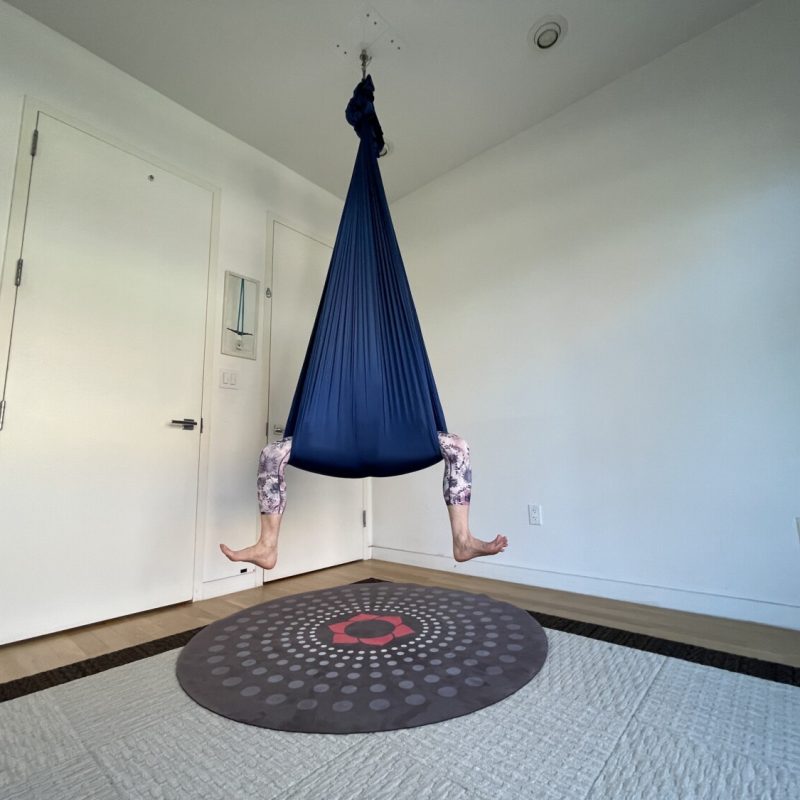
In this class, explore symmetrical and asymmetrical poses and how they affect us. Highlights include: “sleeping” pigeon, standing split handstand combo, and locust into chest stand.
I have a friend who once said to me, “She was good looking; she was relatively symmetrical.” Which, at the time I thought was a funny comment to make. But, I did some research and in fact facial symmetry is one of the things humans from all cultures find attractive when looking for a mate, or even amongst our friends. (See: www.psychologytoday.com blog “why-are-symmetrical-faces-so-attractive”)
Although there is relatively little we would want to, or are able to alter on our faces to make them more symmetrical, working towards symmetry in the body is at the heart of many yoga asana practices. When we work to achieve symmetry in the body, we don’t only find physical balance, we also find mental-emotional balance, too. And, what’s not attractive about that?
It leads me to wonder why we practice asymmetrical postures at all? My guess is that working on one side of the body at a time helps us discover where our less obvious asymmetries are, so that we are better able to make adjustments in the symmetrical postures, too, as we work to achieve balance.
This week, we’ll especially focus on the differences we feel from symmetrical and asymmetrical postures. Perhaps with all of that attention on balance, by the end of class you’ll feel more equilibrated, peaceful, and maybe even beautiful. 🙂
Here’s the non-theoretical synopsis: a “sleeping” pigeon hip stretch, standing split-handstand combo, Locust/Chest Stand (flexible and non-flexible options) + a whole bunch of symmetrical hanging positions.